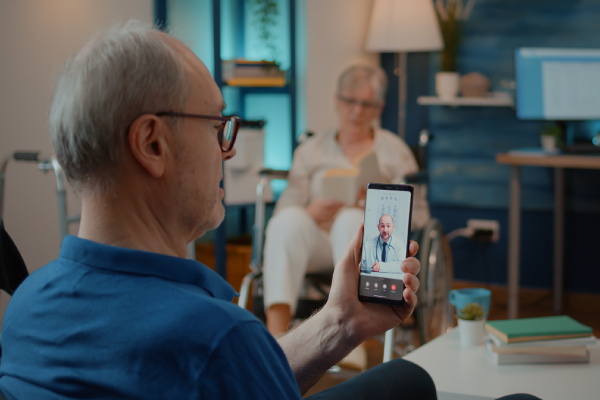
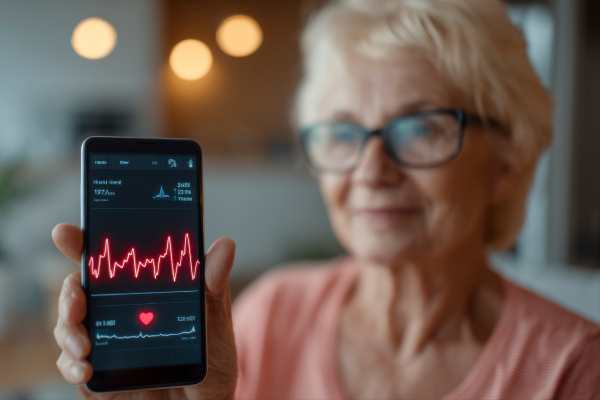
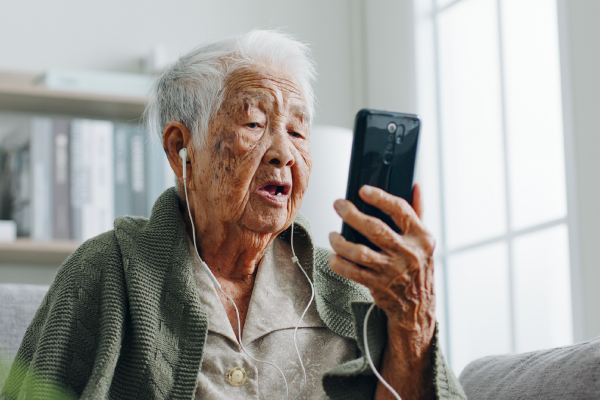
Reliable cellular connectivity is no longer optional—especially in senior living communities. Today’s older adults rely on their mobile phones for far more than calls. From telehealth visits and medication reminders to video chats with family and mobile payments, smartphones play a central role in independent living. When indoor cellular coverage falls short, it directly impacts safety, quality of life, and resident satisfaction. That reality prompted one independent living community in North Carolina to rethink its approach to in-building cellular coverage—and ultimately upgrade to a modern cell phone booster solution designed for today’s networks.
When Legacy Cellular Systems Stop Working
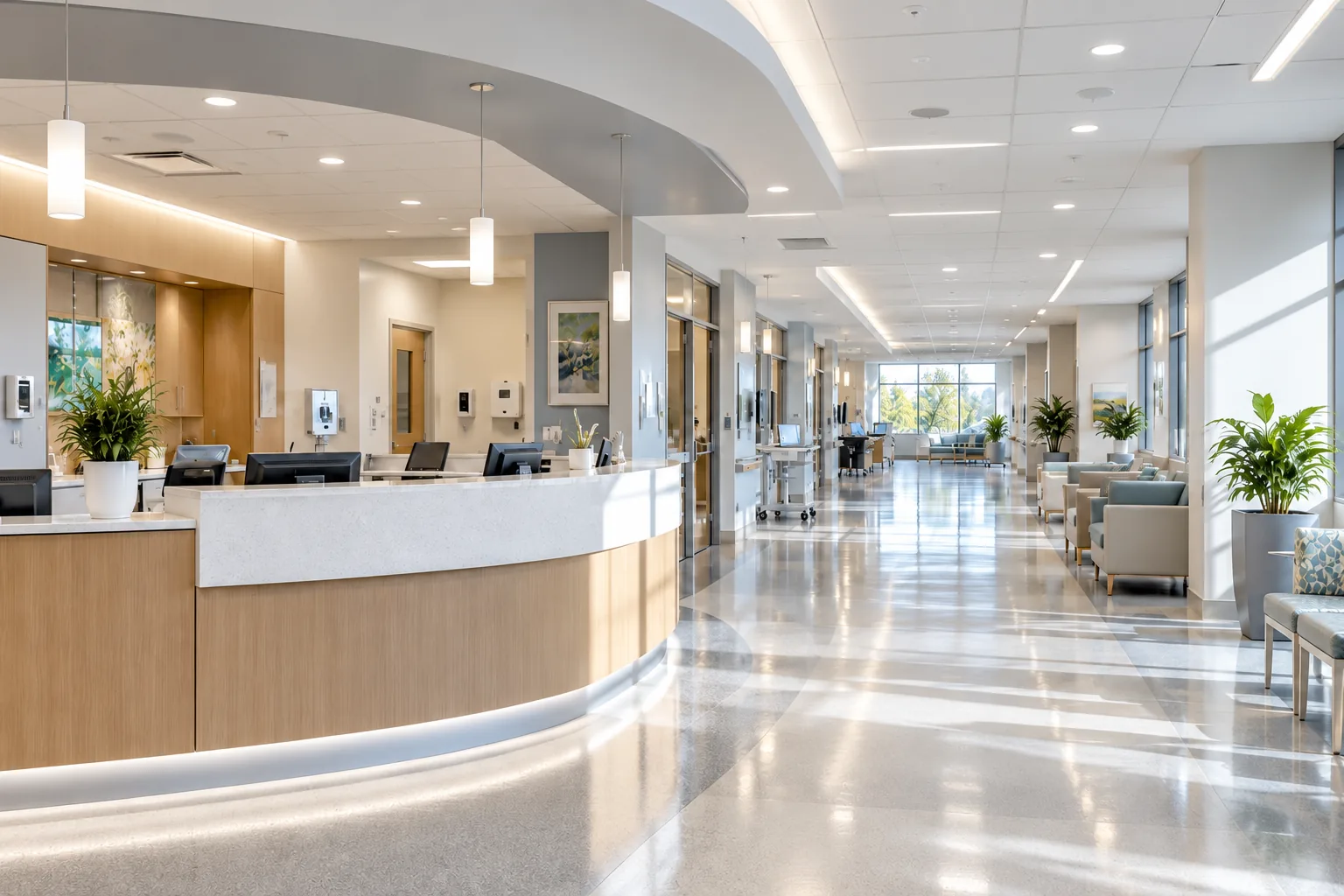
Set on more than 150 acres, this 55+ community offers spacious two- and three-bedroom apartments alongside amenities like walking trails and a golf course. While the lifestyle met expectations, the cellular experience inside the building did not.
An older analog booster system had been installed years earlier, back when most mobile usage centered on voice calls over 3G networks. As carriers transitioned to LTE and data-heavy applications became the norm, the system simply couldn’t keep up. Residents experienced dropped calls, poor voice quality, and unusable data connections inside their apartments.
According to the Nextivity system integrator, VAST Signal Booster Solutions, the issue wasn’t just a weak signal outside—it was the inability of the existing system to deliver strong, consistent indoor coverage for modern smartphones.
Designing the Right Cell Phone Booster Strategy
To understand the scope of the problem, the VAST team performed a detailed in-building walk test. Measuring raw signal strength throughout the property allowed them to identify dead zones, coverage gaps, and the signal levels required for reliable LTE voice and data.
This data-driven approach ensured the solution would be properly sized—not overbuilt, not underpowered—and capable of meeting residents’ everyday needs.
A Digital Cell Phone Booster Built for Modern Networks
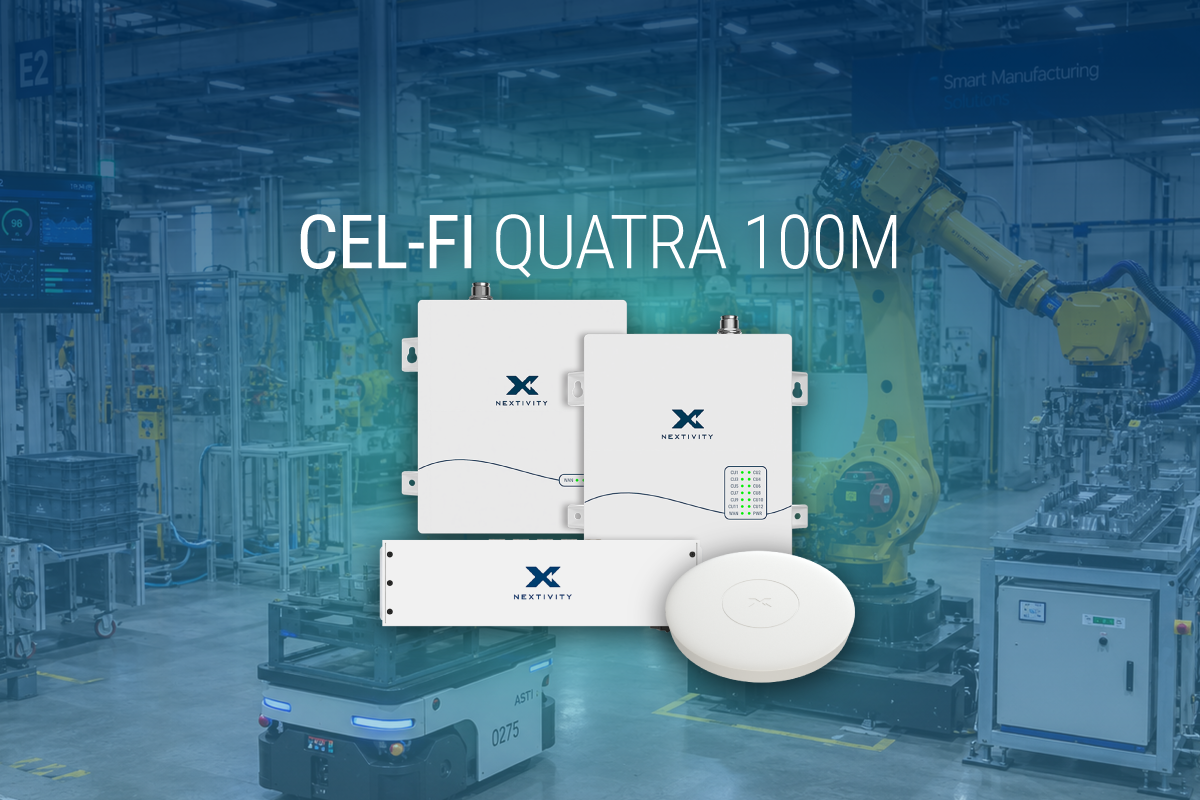
The recommended solution centered on a CEL-FI QUATRA solution, an all-digital, carrier-approved cell phone booster system designed for large multi-dwelling and commercial buildings.
Unlike legacy analog boosters, QUATRA delivers dramatically higher gain and uses Ethernet cabling with Power over Ethernet (PoE), simplifying installation while extending coverage deeper into living spaces.
For this four-story, 56-unit building—each floor spanning roughly 25,000 square feet—the system design included:
- Dedicated rooftop donor antennas capturing signal from all major carriers
- A centrally located Network Unit to process and boost signals
- Strategically placed indoor antennas in hallways to evenly distribute coverage
- Seamless signal continuity, even inside elevators
The result was consistent, high-quality cellular service throughout apartments, common areas, and transitional spaces.
Better Coverage, Better Living
Once the new cell phone booster system was activated, residents immediately noticed the difference. Voice calls were clearer, data speeds improved, and mobile apps—from messaging to video calls—worked reliably inside individual apartments.
Importantly, the digital architecture allowed signals to propagate farther and more evenly than the previous system, ensuring residents could stay connected wherever they were in the building.
Installation was completed in just four days by a small team, with minimal disruption and full adherence to health and safety protocols.
What Facility Owners Should Look for in a Cell Phone Booster
For senior living operators, apartment owners, and facility managers considering an upgrade, a successful cell phone booster project starts with asking the right questions:
- Right-Sized Solution – Does the system match your building’s size, layout, and usage needs?
- Proven Performance – Can the provider demonstrate real-world results in similar buildings?
- Clear Planning – Is there a coverage map showing where signal is weak and how it will be improved?
- Efficient Deployment – How long will installation take, and how disruptive will it be?
- Carrier Approval – Is the system approved for LTE voice and data across major carriers?
Reliable Cellular Coverage Is Now an Expectation
For seniors choosing independent living, reliable indoor cellular coverage is part of feeling safe, connected, and at home. A modern cell phone booster doesn’t just improve signal—it supports independence, strengthens family connections, and helps communities stay competitive in a growing market.
Upgrading from outdated systems to advanced digital solutions ensures residents get the dependable connectivity they expect—today and well into the future.