Choosing the right cellular repeater is more important than ever. With remote and hybrid work now firmly established, people expect reliable mobile connectivity wherever they work—whether that’s a corporate office, warehouse, retail space, or home office.
Over the past year, working patterns have shifted dramatically, with a significant portion of the workforce now operating outside traditional offices. Unfortunately, many buildings were never designed to support data-intensive applications like Zoom® or Microsoft® Teams. Networks that once handled light daytime usage are now expected to deliver enterprise-grade performance.
At the same time, many users struggle with poor indoor mobile coverage. Building materials such as reinforced concrete, metal framing, low-E glass, and insulation all weaken cellular signals—particularly higher-frequency 4G and LTE signals. As mobile phones increasingly serve as the primary communication tool for business and personal use, both individuals and organizations are turning to cellular repeater systems (also commonly called mobile repeaters) to improve indoor signal strength.
However, not all cellular repeater solutions are legal—or safe—to use.
Cellular Repeater Regulations: What You Need to Know
Before investing in a cellular repeater, it’s critical to understand what is legally permitted. In the UK, Ofcom governs the use of cellular and mobile repeater systems. While regulations were relaxed in 2018, they remain strict.
To be legal, a cellular repeater must:
- Be network-specific and network-safe
- Avoid interference with other mobile networks
- Dynamically reduce power or shut down if a network conflict is detected
- Comply fully with Ofcom’s cellular repeater licensing requirements
Using an unlicensed or non-compliant mobile repeater can result in serious consequences, including equipment confiscation, substantial fines, and—in extreme cases—criminal prosecution. Even though unlicensed repeaters are widely sold online, responsibility always lies with the end user, not the seller.
Alternatives to Cellular Repeaters
A repeater isn’t always the right solution for every environment. Factors such as building size, construction type, number of users, and required capacity all play a role in determining the best approach. Other indoor coverage solutions include:
Distributed Antenna Systems (DAS)
Traditional DAS solutions are typically deployed in very large venues such as airports, stadiums, and shopping centers. These systems distribute cellular signals throughout a building using fiber or coaxial cabling and multiple antennas.
While effective at scale, legacy DAS deployments are complex, expensive, and often require direct involvement from mobile network operators. Installation timelines are long, making DAS impractical for many smaller or mid-sized buildings.
Picocells and Femtocells
Picocells and femtocells function as small, localized base stations with integrated radios and antennas. They provide additional capacity rather than simply amplifying an existing signal.
As 5G expands, these solutions are becoming more common, but they typically require customized planning, backhaul connectivity, and careful network design. Like DAS, they are better suited to larger or more complex installations.
How a Cellular Repeater Works
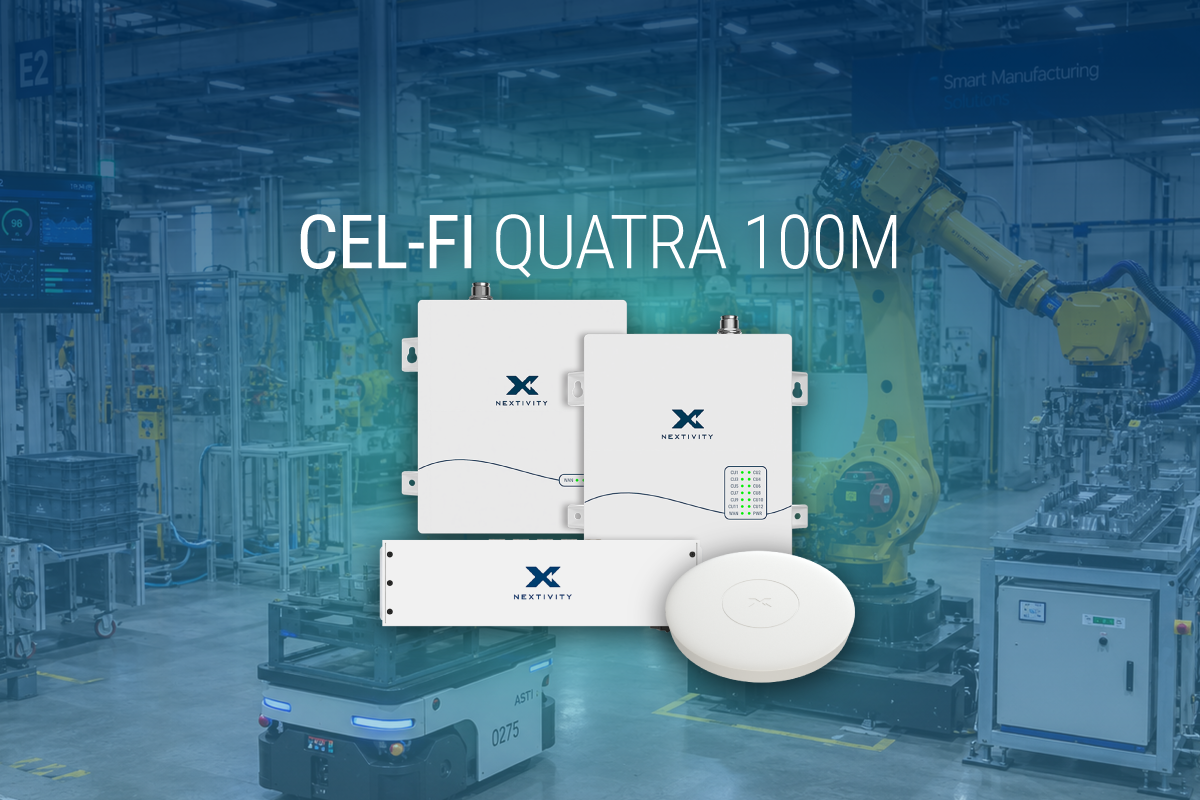
A cellular repeater (or mobile repeater) works by capturing an existing outdoor cellular signal and amplifying it indoors. When a strong signal exists outside the building but is blocked by walls, glass, or structural materials, a repeater can dramatically improve indoor coverage.
Because they amplify rather than generate signal, cellular repeaters are:
- Faster to deploy than legacy DAS or small cells
- More cost-effective for small to medium buildings
- Ideal for improving coverage in offices, homes, and retail spaces
When properly designed and installed, a cellular repeater solution can significantly improve call quality, data speeds, and overall user experience.
Sorting the Good from the Bad
While it may be legal to buy and sell many types of cellular repeaters, not all repeaters are legal to use. Ofcom’s licensing framework sets strict technical requirements, and only a small number of systems comply.
A key issue is a regulatory loophole that allows unlicensed mobile repeaters to be sold online. This is why a simple search returns thousands of low-cost options. Despite their availability, using these products is illegal and places the user at risk of enforcement action.
When choosing a cellular repeater, you should:
- Buy only from reputable manufacturers and suppliers
- Look for a CE mark and documented regulatory compliance
- Be cautious of “4G-only” or “LTE-only” indoor repeaters, as compliant systems must also support legacy 3G services
Choosing the Right Cellular Repeater Solution
A compliant, high-quality cellular repeater system delivers reliable indoor mobile coverage without harming the wider cellular network. Cutting corners with unlicensed or poorly designed mobile repeaters can lead to interference, enforcement action, and costly rework.
If you have questions about cellular repeaters, mobile repeaters, or the best way to overcome indoor mobile coverage challenges, visit our Solutions page to learn more.