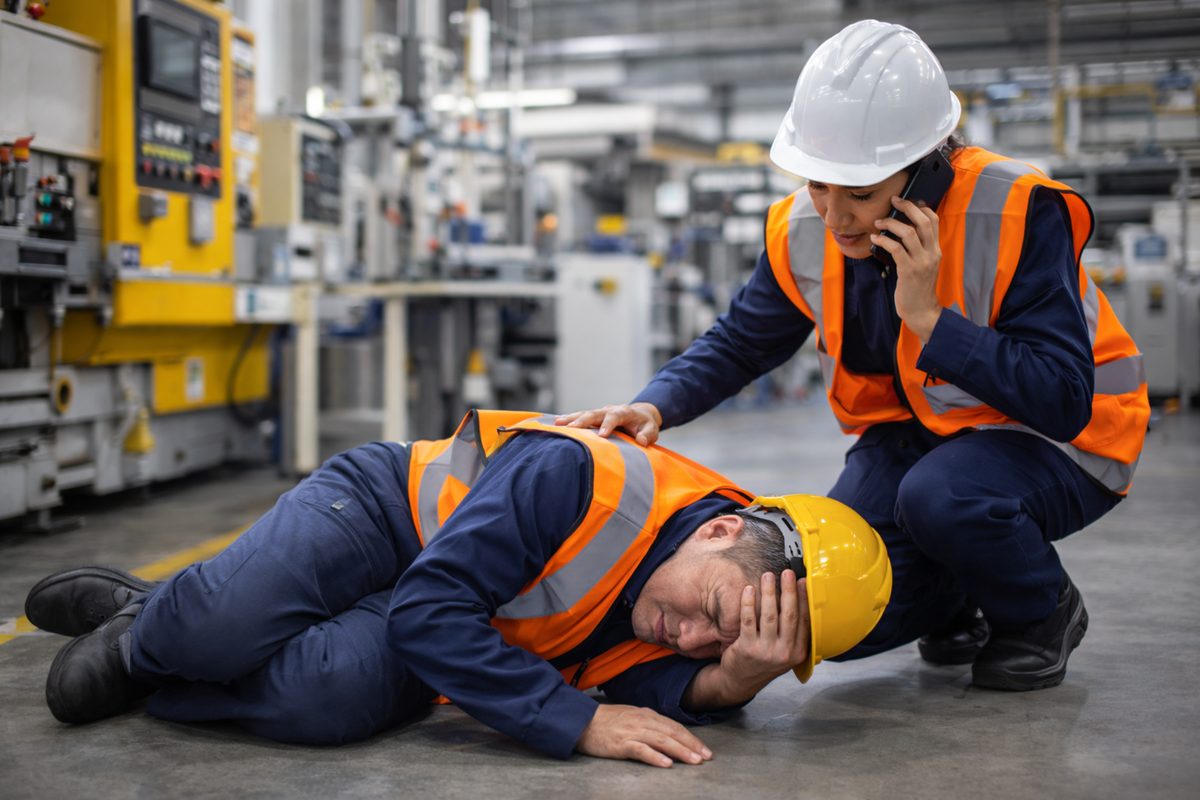
When an emergency happens, nothing matters more than making a connection—fast.
Yet many people rely on Wi-Fi calling indoors, assuming it’s just as reliable as cellular. In reality, the opposite is often true. When it comes to calling 911, cellular networks consistently outperform Wi-Fi, especially in critical moments where seconds matter.
And the difference isn’t theoretical—it’s backed by research.
The Reality of 911 Calls Today
Each year, more than 240 million 911 calls are made in the United States—and over 80% come from mobile devices.
That means the reliability of your cellular connection isn’t just a convenience—it’s a matter of safety.
According to recent research from Michigan State University:
- In some conditions, up to 90% of emergency calls failed to connect within 120 seconds
- These failures often occur even when signal appears available
- Issues are especially common indoors and when devices switch between networks
Read the full article:
https://www.newswise.com/articles/msu-researchers-identify-why-911-calls-are-delayed-failed-or-dropped
Why Wi-Fi Calling Can Fail in Emergencies
Wi-Fi calling is designed for convenience—not mission-critical communication.
Here’s where it breaks down:
1. Network Selection Conflicts
When both Wi-Fi and cellular are available, phones may choose Wi-Fi—even when it’s not optimal for emergency services.
The MSU study found that in environments with weak cellular but strong Wi-Fi, network selection issues prevented up to 90% of 911 calls from connecting quickly.
2. Lack of Priority and Reliability
Cellular networks are engineered for mobility, redundancy, and prioritization. Wi-Fi networks are not.
- Wi-Fi depends on local internet connections
- It can degrade under congestion
- It lacks the same level of failover and prioritization for emergency calls
3. Indoor Complexity
Ironically, the environments where Wi-Fi is strongest—buildings—are also where emergency calling is most vulnerable.
Research shows:
- Indoor environments increase call failures and delays
- Movement between coverage zones can cause dropped calls—even with “good signal”
Why Cellular Networks Are Built for Emergency Calling
Cellular networks are fundamentally different—and intentionally designed for emergency reliability.
Carrier Networks Prioritize 911 Calls
Regulations require that:
- All 911 calls must be routed to a Public Safety Answering Point (PSAP)
- Calls must be completed even without an active carrier subscription
This ensures universal access and prioritization that Wi-Fi simply doesn’t offer.
Faster and More Reliable Call Setup
In the same environments where emergency calls failed, non-emergency calls connected in just ~5.85 seconds.
That highlights a key point:
The issue isn’t just signal strength—it’s how networks handle emergency services.
Cellular infrastructure is purpose-built for this.
The Real Problem: Weak Indoor Cellular Signal
If cellular is more reliable, why do issues still happen?
Because modern buildings material block outdoor cellular signals.
Materials like:
- Concrete
- Steel
- Low-E glass
This forces phones to:
- Drop to weak cellular connections
- Or switch to Wi-Fi calling (introducing new risks)
The Solution: A Cell Signal Booster or DAS System
The most effective way to ensure reliable emergency calling indoors is to bring strong cellular signals into the building.
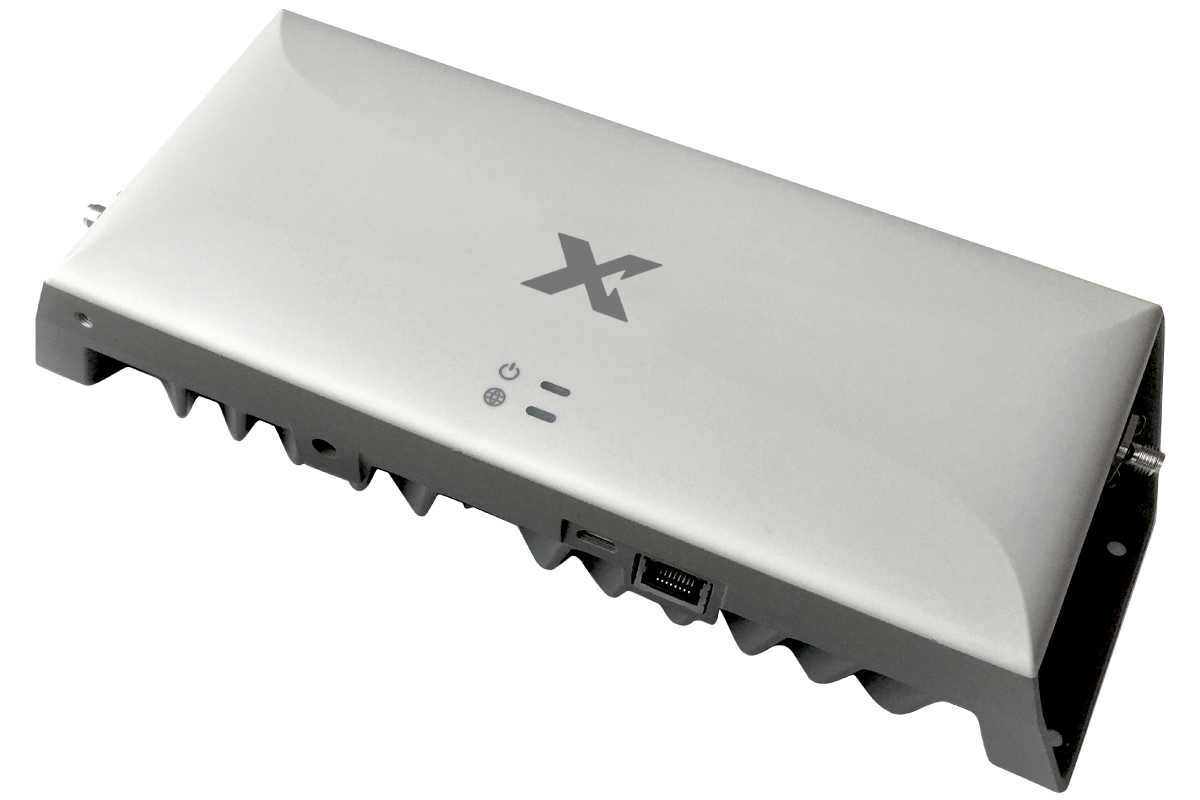
Cell Signal Boosters
A cell signal booster captures outdoor signal and amplifies it indoors, providing:
- Stronger voice call reliability
- Faster call setup times
- Reduced dropped calls
DAS System for Large Buildings
For commercial spaces, a DAS system (Distributed Antenna System) is the gold standard.
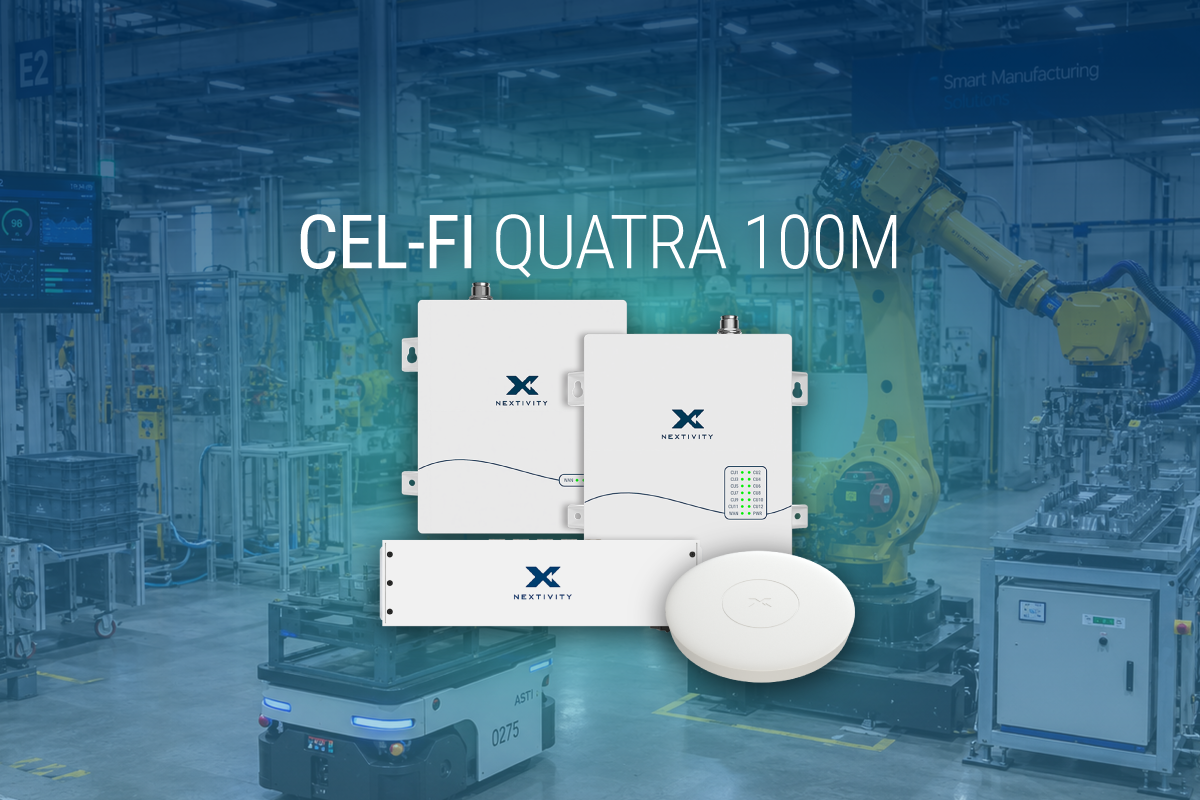
Solutions like Nextivity’s CEL-FI QUATRA:
- Distribute strong cellular signal throughout the building
- Support multiple carriers
- Deliver consistent, high-quality coverage in hard-to-reach areas
Most importantly:
They ensure your building relies on cellular—not Wi-Fi—for critical calls.
FirstNet: Supporting First Responders
A major advantage of a professionally deployed DAS system is support for FirstNet.
FirstNet is a dedicated nationwide network for first responders, providing:
- Priority and preemption during emergencies
- Reliable communication for police, fire, and EMS
- Connectivity when public networks are congested
With a properly designed DAS system:
- First responders maintain connectivity inside your building
- Communication remains reliable during critical operations
Why “Good Enough” Connectivity Isn’t Good Enough
Wi-Fi calling might seem convenient—but in an emergency, it introduces risk.\
The research is clear:
- Calls can be delayed
- Calls can fail
- Calls can drop
And in some cases, most calls don’t connect in time.
Final Takeaway
If you care about safety, reliability, and preparedness:
Cellular calling is always superior to Wi-Fi calling for 911 emergencies.
Strong indoor cellular signal is essential—not optional.
Investing in a cell signal booster or DAS system isn’t just about better bars. It’s about ensuring that when someone dials 911—the call goes through. Immediately.